Southern Restaurant Pittsburgh, PA: Where Every Meal Feels Special
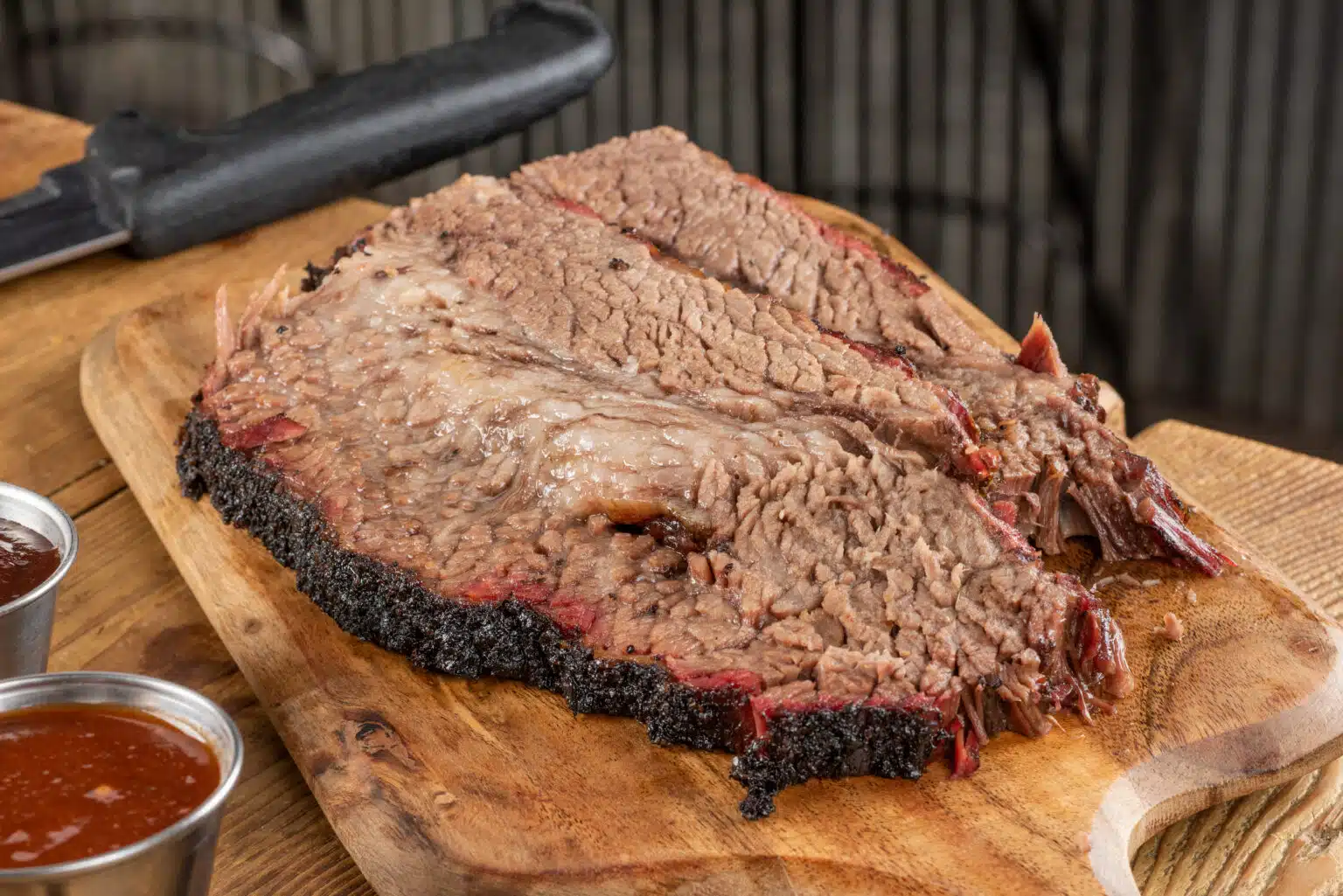
Finding a great Southern restaurant in Pittsburgh, PA is not just about tracking down fried chicken, biscuits, or shrimp and grits. It is about finding a place that understands what Southern cooking is supposed to do. It should comfort without feeling heavy-handed. It should taste generous, but not careless. It should feel welcoming from the first sip of sweet tea to the last bite of pie.
That balance is harder to pull off than many people realize.
Southern food gets flattened into cliché all the time. People think of it as one thing, a pile of deep-fried favorites, a few hot sauces on the table, maybe a cast-iron skillet for style. Real Southern cooking is more nuanced than that. It draws from Black culinary traditions, Appalachian cooking, Lowcountry seafood, Creole and Cajun influence, smokehouse technique, church supper casseroles, and family recipes that rarely make it onto printed menus exactly as they are cooked at home. A truly memorable Southern meal carries all of that history quietly. It does not need to announce itself. You can taste it.
That is what separates an ordinary themed spot from a Southern restaurant Pittsburgh, PA diners return to for birthdays, date nights, family dinners, and those evenings when takeout simply will not do.
What makes Southern food feel special in Pittsburgh
Pittsburgh has always been a city that appreciates hearty meals. It is a place where weather matters, neighborhoods have strong identities, and people notice when a restaurant makes them feel taken care of. That makes it fertile ground for Southern food, but also a challenging one. Diners here do not want food that feels like a gimmick. They want flavor, consistency, and warmth.
The best Southern kitchens in Pittsburgh understand the local palate without sanding off their character. They know a biscuit has to arrive hot enough to release steam when cracked open. They know collard greens should have depth, not just salt. They know mac and cheese has to do more than sit on the plate in a neon orange block. If the kitchen serves fried catfish, the crust needs to stay crisp through the first few minutes at the table. If there is gumbo on the menu, the roux has to taste like it was taken seriously.
In a city better known nationally for pierogies, sandwiches, and old-school taverns, Southern cooking stands out when it is done with discipline. The restaurants that succeed here create a meal that feels both transporting and grounded. You can sit down on a rainy Pittsburgh evening, hear the clink of glasses and the low hum of conversation, and feel like the room understands hospitality in the old-fashioned sense of the word.
That feeling matters more than trendiness. It is the difference between a place you try once and a place you recommend without hesitation.
The menu tells you almost everything
If you want to judge a Southern restaurant quickly, start with the foundations. Flashy menu items can be fun, but they can also distract from weak basics. In my experience, the soul of the kitchen shows up in the simplest plates.
Take fried chicken. Great Southern fried chicken is not just crisp. The seasoning needs to run through every layer, from crust to meat, and the interior should stay juicy without leaking grease onto the plate. A lot of restaurants can produce a crunchy crust. Fewer can produce one that still tastes balanced after the third or fourth piece.
Biscuits are another tell. They should not resemble dense dinner rolls wearing a flour dusting as camouflage. A proper biscuit breaks with almost no resistance, with a tender crumb inside and enough structure to hold butter, jam, sausage gravy, or honey. If a kitchen gets biscuits right, it often means someone cares about details that do not show up in marketing copy.
Then there are the sides. Southern cooking has always treated side dishes as serious work, not filler. Black-eyed peas, braised greens, candied yams, dirty rice, potato salad, cornbread, red beans, slaw, baked beans, and creamy grits all carry their own expectations. A strong Southern restaurant in Pittsburgh, PA usually shines here. You can learn more from a spoonful of grits than from a decorative garnish on an entrée.
A plate of shrimp and https://archerespr726.brightpathdigest.com/posts/southern-restaurant-pittsburgh-pa-why-locals-keep-coming-back grits is a good example of how much execution matters. At its best, it is rich, savory, slightly briny, and deeply satisfying without feeling overbuilt. At its worst, it is gluey grits topped with overcooked shrimp and a sauce trying to rescue the whole thing. The difference comes down to timing, stock, butter, texture, and restraint.
Hospitality is part of the cuisine
People often talk about Southern hospitality in a way that makes it sound like a slogan. In a restaurant setting, it is much more practical than that. You feel it in pacing, in how the staff handles a crowded room, in whether a server notices a nearly empty water glass without turning the whole interaction into performance.
A special meal begins before the food hits the table. You notice it when the host greets you like a person instead of a reservation slot. You notice it when the server can explain what makes the house hot chicken hot, or whether the greens have pork, or how sweet the cornbread runs. You notice it when substitutions are handled honestly. Good service does not always mean saying yes. Sometimes it means steering a guest away from a choice they probably will not enjoy.
That kind of service suits Southern food especially well because the cuisine is communal by nature. These are dishes built for sharing stories across the table. A restaurant can have beautiful interiors and still feel cold if the service misses that point. On the other hand, a modest dining room with warm, capable staff can become the place you think about all week.
In Pittsburgh, where many diners value sincerity over showmanship, that approach lands. People remember whether they felt welcome. They remember whether the server paced the meal properly instead of rushing entrées out right after the appetizer. They remember whether the restaurant managed a busy Saturday with composure.
The atmosphere should support the meal, not overpower it
Southern-inspired design can go wrong fast. Too much forced rustic décor and a place starts to feel like a movie set. Too little personality and the meal loses context. The best rooms strike a middle ground. Maybe there is warm wood, a good bar, soft lighting, music played at a level that still allows conversation, and details that feel chosen rather than mass-produced.
A Southern restaurant in Pittsburgh does not need to imitate Charleston, Savannah, or New Orleans literally. In fact, it probably should not. Pittsburgh has its own architecture, weather, and pace. A smart restaurant lets the city remain part of the experience. Brick walls, neighborhood energy, and old-building character often pair beautifully with Southern food because both trade in comfort and memory.
Season matters, too. In colder months, dishes like braised greens, smothered pork chops, jambalaya, and baked mac and cheese hit with particular force. In warmer weather, pimento cheese, fried green tomatoes, grilled fish, fresh slaw, and bourbon cocktails feel right at home. A restaurant that adapts to the season without abandoning its identity tends to stay relevant far longer than one built around novelty.
Signature dishes that separate the memorable from the average
There are certain dishes that reveal whether a Southern kitchen is operating from instinct or imitation. You do not need a giant menu. You need a few dishes that justify the trip.
Here are some of the strongest signals of a serious kitchen:
- Fried chicken with seasoned crust and juicy meat
- Shrimp and grits with real depth in the sauce
- Biscuits that arrive warm and tender, not dry
- Braised greens cooked long enough to develop character
- A dessert, often banana pudding, bread pudding, or pie, that feels homemade rather than outsourced
That short list is not comprehensive, but it is revealing. If a restaurant hits four or five of those marks consistently, it usually earns repeat business the honest way.
Dessert deserves more respect than it often gets in restaurant writing. In Southern cooking, dessert is not an afterthought. Banana pudding should have creamy texture and enough structure to hold up on the spoon. Pecan pie should balance sweetness with nuttiness and a hint of bitterness from a well-baked filling. Peach cobbler, when in season, should taste like fruit first, sugar second. Even a simple slice of cake can tell you whether a restaurant understands generosity.
Why locals keep coming back
One excellent meal can bring people in. Consistency keeps a dining room full.
That is especially true in Pittsburgh, where word of mouth still carries real weight. A local regular may forgive a packed bar or a slightly longer wait on a Friday night if they trust the kitchen. They come back because the fried chicken tastes the way they hoped it would taste. Because the bartender knows how to balance a whiskey drink without drowning it in syrup. Because the portions feel fair. Because the restaurant can work for different kinds of nights.
A truly dependable Southern restaurant Pittsburgh, PA residents love tends to serve several roles at once. It can host a relaxed lunch, a celebratory dinner, a low-key happy hour, or a Sunday meal when no one wants to cook. That versatility is not accidental. It usually comes from strong systems behind the scenes, clear standards, and a team that understands the rhythm of service.
Price plays a role here, too. Diners will pay more for quality, but they want to feel that value on the plate. Southern food should feel abundant, though not wasteful. Portions do not have to be oversized to feel satisfying. Richness, seasoning, and thoughtful sides often do more than sheer quantity.
Drinks matter more than people think
A good beverage program can elevate Southern food dramatically. Sweet tea may be the obvious pairing, and when it is brewed properly it absolutely earns its place, but there is more to consider. Bourbon cocktails, rye whiskey, sparkling wine with fried food, crisp lagers, and citrus-forward drinks all complement different parts of the menu.
Fried chicken with Champagne is not new, but it remains one of the smartest pairings in restaurants. The acidity and bubbles cut through richness beautifully. A smoky old fashioned can work with barbecue or blackened meats. A tart lemonade, alcoholic or not, wakes up heavy plates. If the restaurant offers a short but well-considered wine list, that is often a sign of broader care.
The bar also changes the emotional shape of the room. Some Southern restaurants feel best as full dining experiences, with appetizers, entrées, dessert, and a second round of drinks. Others thrive because you can slide onto a bar stool, order deviled eggs and a cocktail, then decide whether you want to stay for catfish or call it a night. Neither model is superior. The best choice depends on the neighborhood, the size of the space, and what guests want from the place.
Service details diners notice immediately
Even excellent food can lose ground if the service misses simple fundamentals. The strongest restaurants tend to get a few key details right every time:
- Food arrives hot, especially fried items and biscuits
- Staff can explain heat levels, ingredients, and common allergens clearly
- Tables are paced well, without long dead zones or rushed courses
- The dining room feels busy but controlled
- Takeout is packed thoughtfully so texture survives the trip home
Takeout deserves special mention because Southern food travels unevenly. Fried items soften in closed containers. Gravy can overwhelm breading. Greens can spill. Restaurants that care about packaging, venting, and separation show practical intelligence. That matters on weeknights, game days, and rainy evenings when half the city wants comfort food delivered to the front door.
Not every Southern style means the same thing
One reason diners occasionally leave disappointed is that they order with a vague idea of "Southern food" rather than understanding the restaurant's actual point of view. There is a difference between a place leaning Lowcountry, one focused on Nashville-style heat, one rooted in Creole flavors, and one built around smokehouse staples. None is more authentic by default. They are simply different expressions.
A Lowcountry-leaning menu may emphasize shrimp, grits, crab, rice dishes, and lighter coastal flavors. A Louisiana-influenced kitchen may feature gumbo, étouffée, po'boys, and bolder spice. An Appalachian-inflected Southern menu may lean harder on beans, greens, cornbread, smoked meats, and practical comfort dishes. A modern chef-driven version might borrow from all of these while applying local sourcing and seasonal technique.
That distinction matters in Pittsburgh because diners often arrive with mixed expectations. The best restaurants communicate their identity clearly. You should know, within a quick read of the menu, whether the kitchen is aiming for faithful regional tradition, modern interpretation, or a smart blend of both.
How to choose the right Southern restaurant for the occasion
Not every meal needs the same kind of room. If you are planning a date night, you may want a place with a stronger cocktail program, lower lighting, and polished service. If you are meeting family, comfort and noise level may matter more than bar theatrics. If you want brunch, the quality of chicken and waffles, biscuits, and egg dishes becomes more important than the dinner menu.
Context changes everything. I have seen diners judge a casual Southern spot too harshly because they expected fine dining, and I have seen people underestimate polished Southern restaurants because they assumed comfort food must be informal. The smartest move is to match the restaurant to the evening you want.
Neighborhood can factor in as well. In Pittsburgh, where travel between areas can feel longer than it looks on a map, convenience affects repeat visits. A restaurant may be exceptional, but if parking is difficult or waits run long, guests may reserve it for special occasions instead of becoming regulars. That is not a flaw, just a practical reality.
The role of memory in Southern dining
Part of what makes Southern food so powerful is that it often taps into memory, even for diners who did not grow up in the South. Maybe it is the smell of butter hitting a hot biscuit, the sweetness of cornbread against smoky meat, or the way braised greens taste like they were given time instead of rushed. These dishes create emotional recognition.
Restaurants cannot fake that. They can only earn it through repetition and care.
When people say a meal felt special, they are usually talking about more than taste. They are talking about the whole weave of the evening. The room felt alive but not chaotic. The server seemed present. The food had confidence. Dessert was worth ordering. No one at the table felt like an afterthought. You left full, but also slightly restored.
That is the promise behind a standout Southern restaurant in Pittsburgh, PA. Not a caricature of Southern cooking, not a string of trend-driven menu items, but a meal that delivers warmth, craft, and a sense of being looked after.
What special really means
Special does not always mean fancy. In restaurant work, it often means the opposite. It means the kitchen remembered that biscuits need to be served right away. It means the seasoning was checked before the plate left the pass. It means someone cared enough to make the slaw bright, the grits smooth, the pie crust flaky, and the service steady even during a rush.
That kind of care has a cumulative effect. You notice it less as a single flourish than as a series of small decisions that make the night easier and better. A restaurant that understands Southern cooking at that level does more than feed people. It gives them a place to settle in.
For Pittsburgh diners, that is a valuable thing. A city with strong neighborhood loyalties and serious opinions about food tends to reward restaurants that feel genuine. If you are searching for a southern restaurant Pittsburgh, PA diners can count on for comfort, hospitality, and memorable flavor, look for the place where the details feel right. The best Southern meals never need to shout. They arrive with confidence, generosity, and the kind of quiet excellence that keeps tables full.
Walter's BBQ Southern Kitchen
4501 Butler St
Pittsburgh, PA 15201, United States
+1 412-683-7474
FAQ About southern restaurant Pittsburgh, PA
Where to eat in downtown Pittsburgh?
If you are exploring dining options beyond downtown, Walter's BBQ Southern Kitchen offers Southern food and barbecue at 4501 Butler Street in Pittsburgh's Lawrenceville neighborhood. It is outside downtown, so allow travel time when planning your visit.
What is a must eat in Pittsburgh?
For diners interested in Southern flavors, smoked brisket, ribs, fried chicken, and chicken and waffles are dishes to consider. Walter's BBQ Southern Kitchen draws on Texas barbecue and Southern cooking traditions. Check the current menu for the dishes available during your visit.
What are some of Pittsburgh's unique restaurants?
Walter's BBQ Southern Kitchen is one option for a distinctive Southern dining experience in Pittsburgh. Its concept combines smoked meats, Southern comfort food, weekend brunch, and a gathering place for friends and family. The restaurant is located on Butler Street in Lawrenceville.
Corrections
Spot something wrong? Send it to the desk and it gets fixed in the open.